8 Results with the "Policing" tag
-
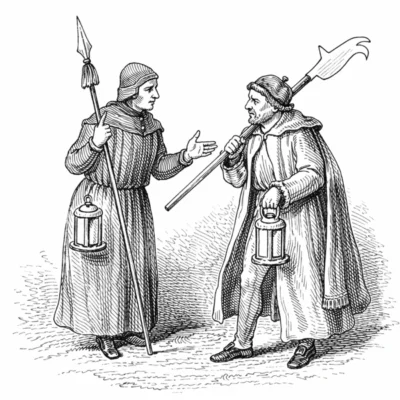
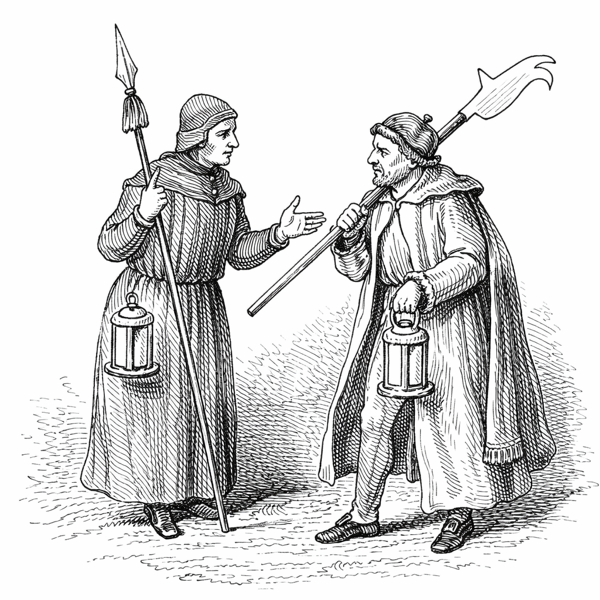
In the early hours of the nineteenth century, the streets of London were guarded by a system that had barely changed since medieval times. A night watchman, often elderly and poorly paid, might patrol with a lantern and staff while the parish constable, an ordinary citizen chosen for temporary duty, carried the authority of the law. In theory this system represented community responsibility for…
-
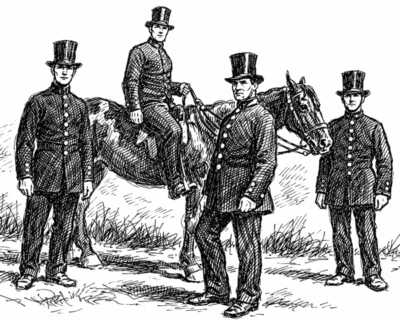
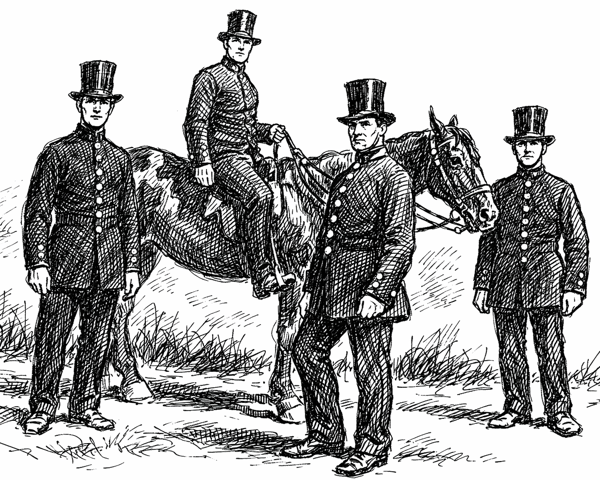
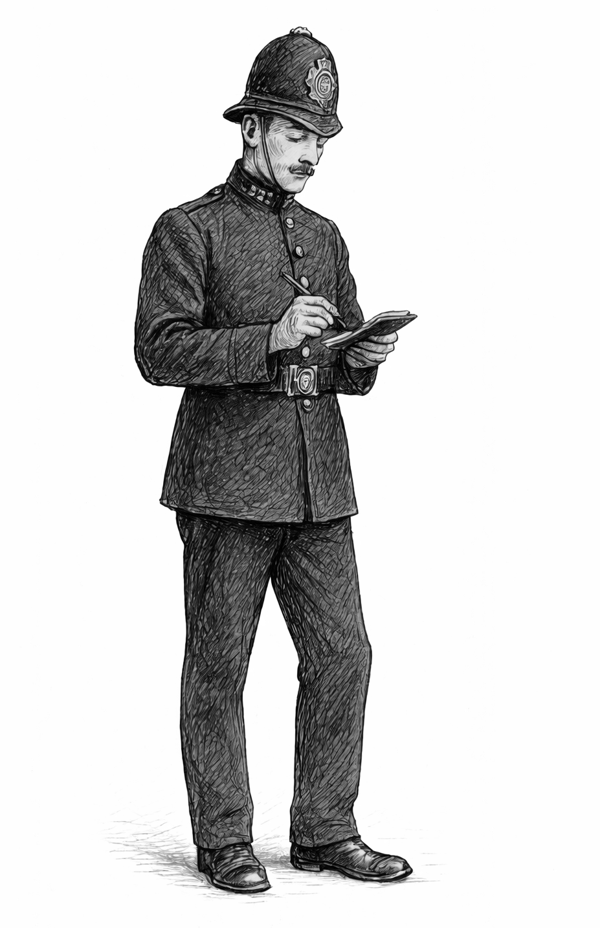
The Birth of the Metropolitan Police On a September morning in 1829, Londoners encountered a new and unfamiliar presence on their streets. Men in dark blue coats and tall hats were walking regular patrols through the city’s crowded neighbourhoods. They carried wooden truncheons and small rattles used to summon assistance, but they did not carry firearms. Their task was simple but unprecedented: to patrol…
-
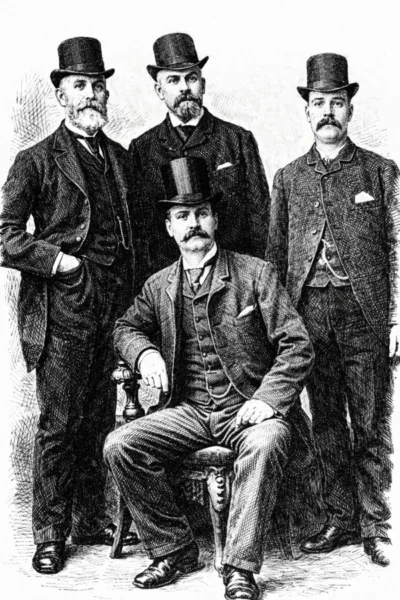
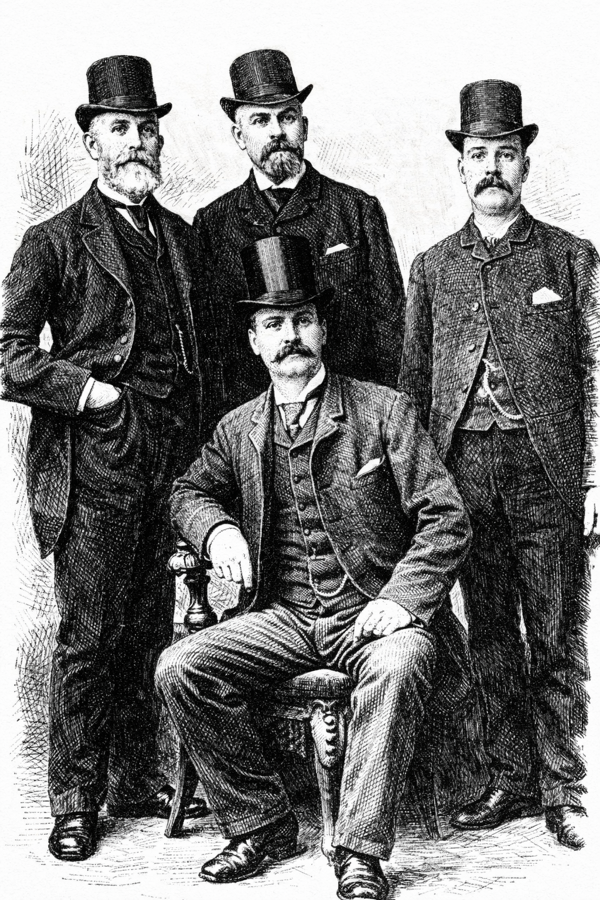
Scotland Yard and the CID In the early decades of the nineteenth century, the idea of a police officer working undercover would have seemed deeply unsettling to many Britons. The country had a long tradition of mistrusting secret policing, associating it with the authoritarian regimes of continental Europe. While the newly created Metropolitan Police patrolled London’s streets in uniform, the idea of officers quietly…
-
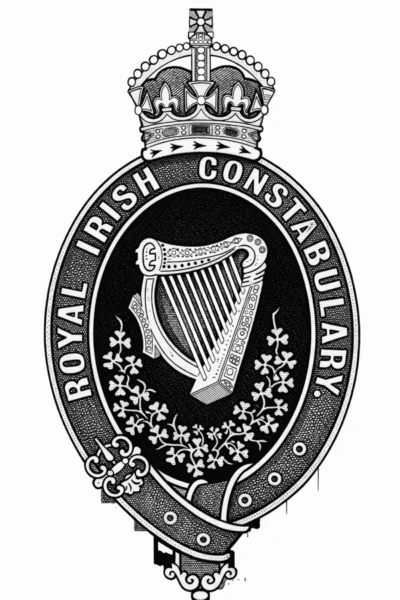
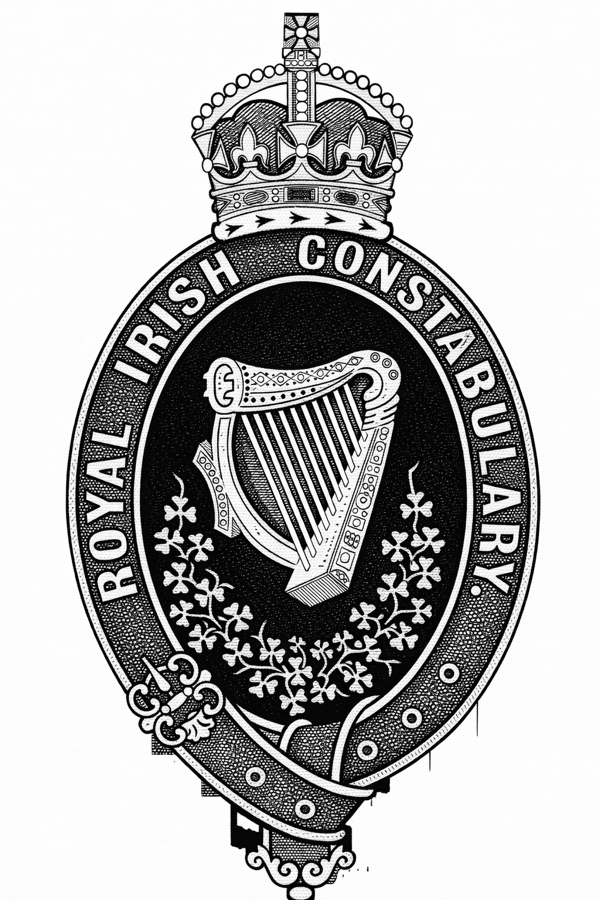
The Royal Irish Constabulary While London was developing a civilian model of policing based on patrol and public consent, a very different system was taking shape across the Irish Sea. In Ireland, British authorities created a force that looked far less like a community service and far more like a disciplined security organisation. The Royal Irish Constabulary, commonly known as the RIC, would become…
-
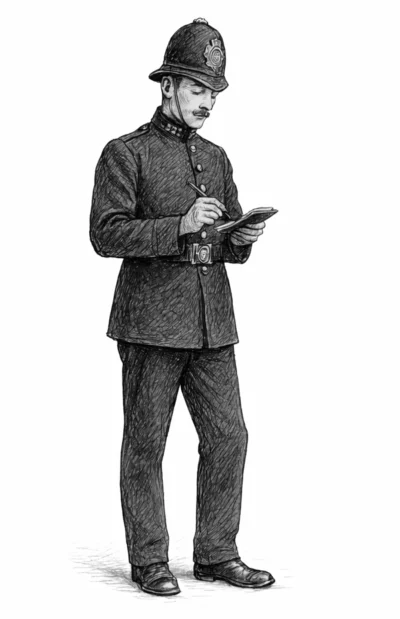
At the beginning of the nineteenth century Britain did not possess a police force in the modern sense. Law enforcement relied on a patchwork of parish constables, watchmen, and local officials whose responsibilities had evolved over centuries. In small communities this system could function reasonably well. In rapidly expanding cities such as London, however, it struggled to maintain order. Industrialisation, urban growth, and political…
-
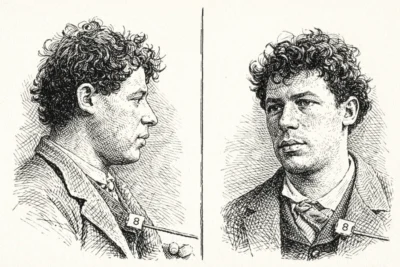
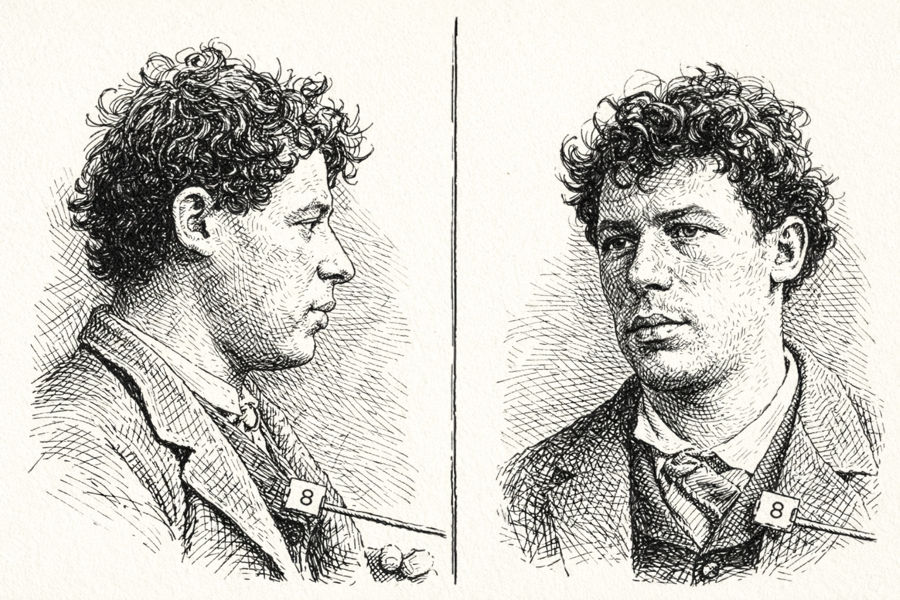
Crime Records, Statistics, and Early Intelligence Systems By the late nineteenth century the task of policing was no longer limited to patrolling streets or arresting offenders. Governments were beginning to realise that maintaining order also depended on understanding patterns of behaviour across entire populations. Crime was no longer viewed as a collection of isolated incidents but as a problem that could be studied, measured,…