
Posts
-
The Admiralty Constabulary
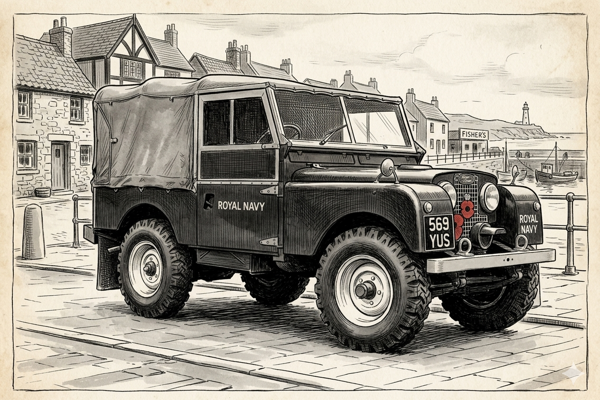
Britain’s Forgotten Naval Police Force (1949–1971) If you had walked past the high stone walls of Portsmouth or Devonport Dockyards in the mid-20th century, you would have met a certain type of officer. They weren’t your typical “bobbies” on a city beat; they were the men of the Admiralty Constabulary, a force that carried the weight of Britain’s maritime security on its shoulders for… -
What Makes a Story Supernatural?
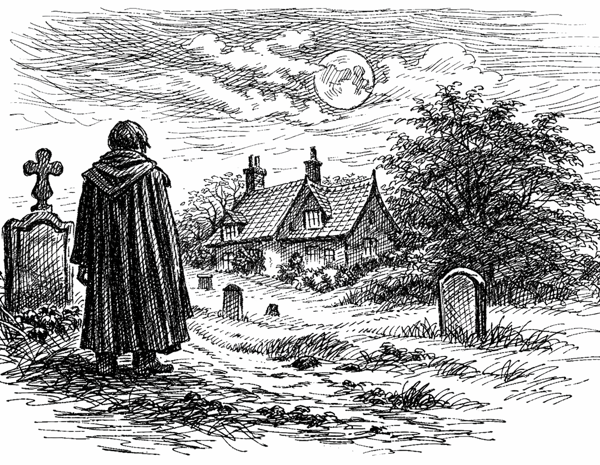
After attempting to define the supernatural, another question naturally follows: what actually makes a story supernatural? At first the answer seems obvious. A ghost appears, a mysterious object possesses strange powers, or an unseen force interferes with the world of the living. These elements are commonly recognised as supernatural because they appear to operate beyond the known laws of nature. In simple terms, supernatural… -

Why No One Can Properly Define the Supernatural
The word supernatural appears simple at first glance. It is used casually in conversation, in fiction, and in popular culture to describe ghosts, magic, psychic abilities, divine intervention, or mysterious forces beyond ordinary experience. Yet when one attempts to define the term precisely, the meaning quickly becomes uncertain. The difficulty is not accidental. The word supernatural has been used for centuries by different disciplines… -
The Collapse of Parish Policing in Britain
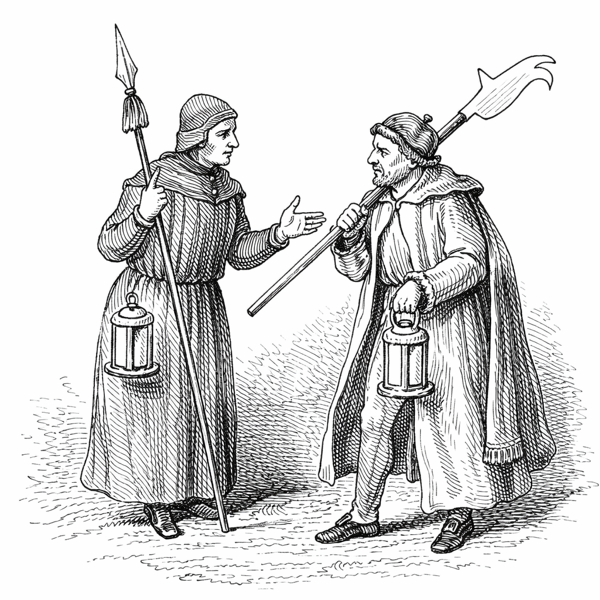
In the early hours of the nineteenth century, the streets of London were guarded by a system that had barely changed since medieval times. A night watchman, often elderly and poorly paid, might patrol with a lantern and staff while the parish constable, an ordinary citizen chosen for temporary duty, carried the authority of the law. In theory this system represented community responsibility for… -
The Peelian Revolution
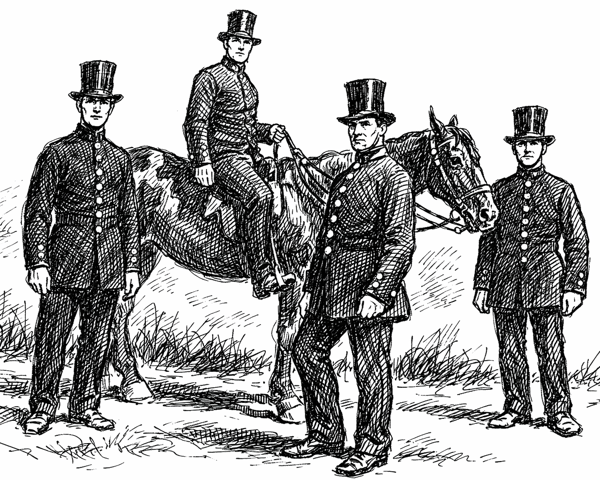
The Birth of the Metropolitan Police On a September morning in 1829, Londoners encountered a new and unfamiliar presence on their streets. Men in dark blue coats and tall hats were walking regular patrols through the city’s crowded neighbourhoods. They carried wooden truncheons and small rattles used to summon assistance, but they did not carry firearms. Their task was simple but unprecedented: to patrol… -
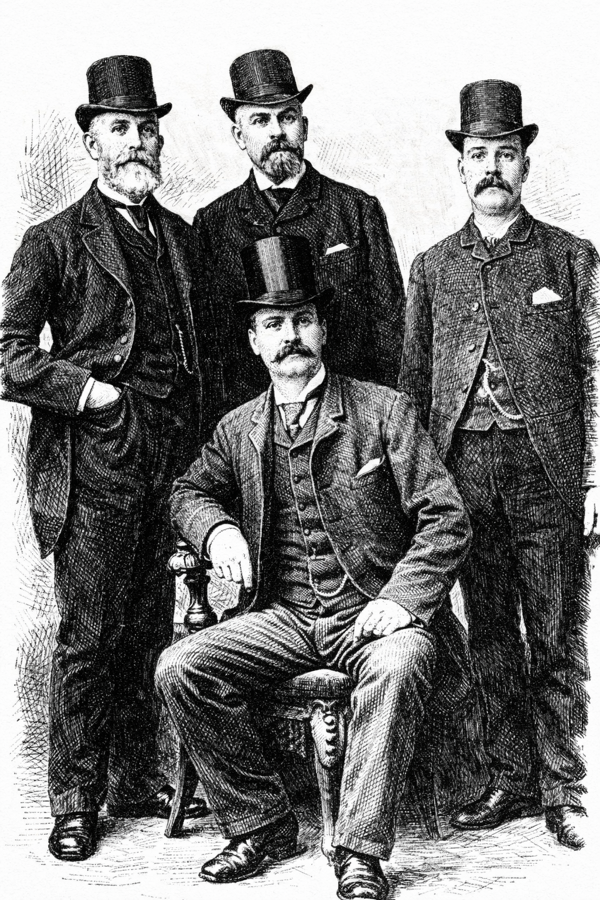
The Birth of the Detective
Scotland Yard and the CID In the early decades of the nineteenth century, the idea of a police officer working undercover would have seemed deeply unsettling to many Britons. The country had a long tradition of mistrusting secret policing, associating it with the authoritarian regimes of continental Europe. While the newly created Metropolitan Police patrolled London’s streets in uniform, the idea of officers quietly…