
The Craft of Writing the Supernatural
| This article is part of the Writing the Supernatural series. |
Supernatural stories are rarely about the supernatural alone. The most convincing tales of ghosts, occult forces, and unexplained events succeed because they are anchored in something solid: a believable world, a recognisable human problem, and a structure that allows mystery to unfold naturally.
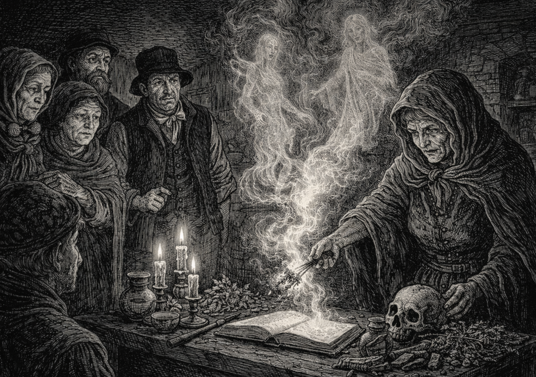
Readers will accept astonishing things if the foundations feel real.
For writers working with historical settings, this balance becomes even more important. The supernatural must grow from the beliefs, fears, and knowledge of the time in which the story takes place. When handled carefully, history does not limit imagination. It strengthens it.
This article introduces the core principles behind writing supernatural fiction, particularly stories grounded in real historical environments.
The Supernatural Works Best When the World Is Real
A common mistake in supernatural storytelling is to begin with the phenomenon itself. The ghost appears, the occult object is introduced, or the unexplained power is revealed before the reader has had time to understand the world it inhabits.
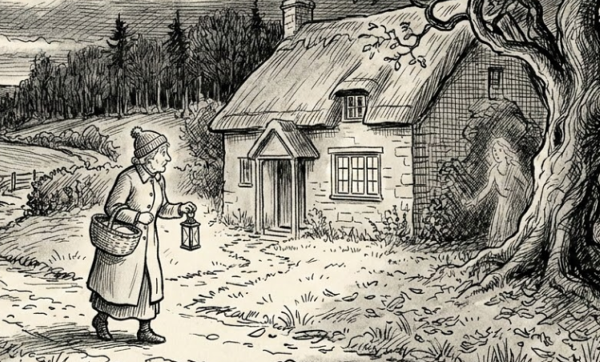
In practice, the opposite approach works better.
The reader first needs a clear sense of the ordinary world: the streets, the institutions, the social habits, and the everyday problems of the characters. When that world feels authentic, the supernatural element enters the story as a disturbance to something stable.
This contrast creates tension.
In historical fiction the setting itself provides much of this foundation. Details such as policing practices, communication methods, social customs, and the limits of contemporary science shape how events unfold. A ghost story in Edwardian Britain will behave very differently from one set in the modern world.
The supernatural becomes convincing not because it is explained, but because it exists inside a believable reality.
Belief Systems Matter More Than Monsters
Another common misunderstanding is that supernatural fiction depends on the invention of strange creatures or dramatic paranormal forces. In many cases the opposite is true.
What matters most is the belief system surrounding the phenomenon.
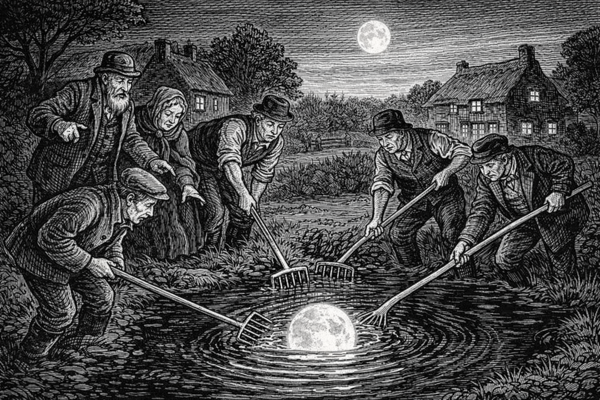
Throughout history people have interpreted unexplained events through folklore, religion, superstition, or emerging scientific ideas. Séances, spiritualism, ghost photography, prophetic dreams, and folk remedies were often taken seriously by educated people as well as by rural communities.
These beliefs shape how characters react to strange events.
A villager in the nineteenth century might interpret a haunting as a restless spirit. A police officer might suspect fraud or hysteria. A spiritualist might see evidence of communication with the dead.
The story becomes richer when these perspectives collide.
The supernatural element itself may remain ambiguous, but the human reactions to it reveal the culture in which the story takes place.
Mystery Is Stronger Than Explanation
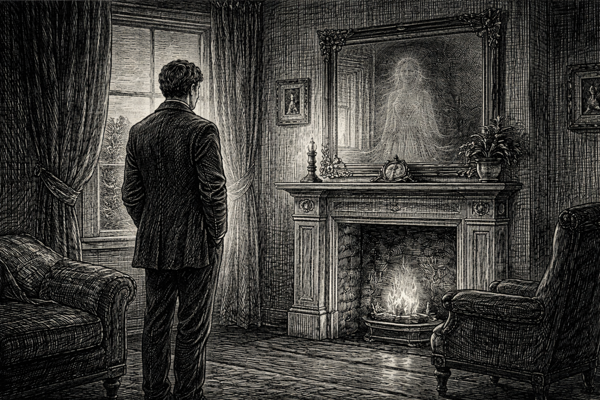
The most memorable supernatural stories rarely provide complete answers.
Writers sometimes feel pressure to explain every strange occurrence in the plot. Yet excessive explanation often weakens the atmosphere that makes supernatural fiction compelling.
Ambiguity allows the reader to participate in the mystery.
Was the haunting genuine, or was it shaped by grief and memory? Did the strange coincidence have a hidden cause, or was it something beyond human understanding?
When a story leaves space for interpretation, the reader continues to think about it long after the final page.
Restraint is often more powerful than spectacle.
Investigation as a Narrative Structure
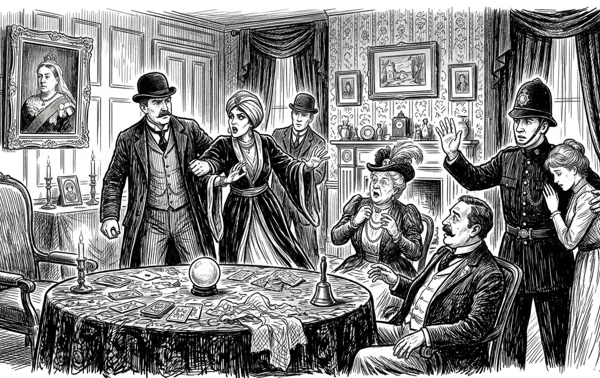
Many effective supernatural stories follow the structure of an investigation.
Something unusual occurs. A character attempts to understand it. Evidence is gathered, theories are tested, and the situation gradually becomes more complicated.
This structure works particularly well in historical settings where information is difficult to obtain and institutions such as the police, the church, or local authorities influence how events are handled.
An investigation gives the reader a way to explore the mystery alongside the protagonist. Each discovery deepens the tension between rational explanation and supernatural possibility.
In some stories the investigation resolves the mystery. In others it only reveals that the world contains more uncertainty than the characters expected.
Atmosphere and Restraint
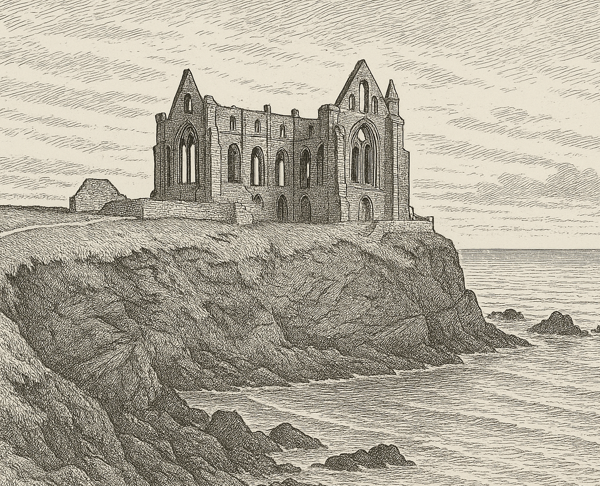
Supernatural fiction depends heavily on atmosphere.
Setting, tone, and pacing often carry more weight than dramatic events. A quiet room, a deserted road, or an unexplained sound can be more unsettling than elaborate displays of supernatural power.
Atmosphere grows from small details:
- the way a room is described
- the behaviour of characters when they feel watched
- the gradual accumulation of strange coincidences
Restraint allows these details to build tension naturally.
Instead of overwhelming the reader with spectacle, the writer allows the unsettling elements to emerge slowly.
Research as Creative Fuel
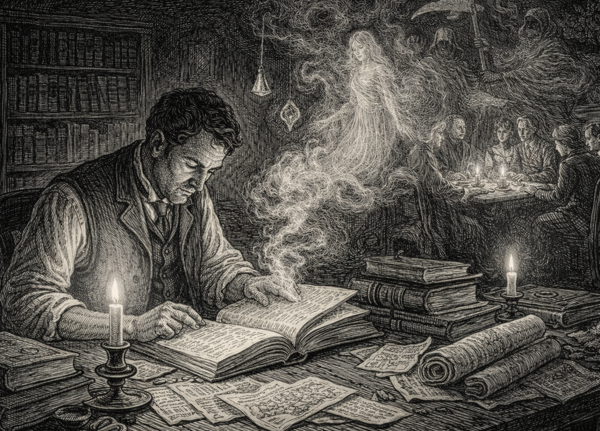
For writers working with historical settings, research is not simply a matter of accuracy. It is a source of creative material.
Real historical practices, forgotten beliefs, and unusual social customs often suggest plot ideas that would never emerge from imagination alone.
A single detail discovered during research, perhaps a forgotten policing method, a spiritualist practice, or a regional superstition, can become the seed of an entire story.
Research provides the texture that allows supernatural events to feel grounded rather than arbitrary.
Writing the Supernatural
Supernatural fiction thrives when imagination and reality work together.
The writer builds a convincing world, introduces a disturbance that challenges that reality, and allows the mystery to unfold through the actions and beliefs of the characters.
The supernatural does not need to be loud or spectacular. Often it appears only as a small crack in the ordinary world.
Through that crack, something unknown becomes visible.
And once the reader has seen it, the familiar world never looks quite the same again.
— Richard Odell
Enjoying this series?
The full tutorial series is published here on the website, with new articles planned for the future. If you would like to be notified when new entries appear, you can subscribe to my Substack newsletter and receive an update whenever a new article is published.
Join me on Substack →