
When the Body Will Not Be Rushed
On effort, resistance, and the pace that remains when urgency stops working
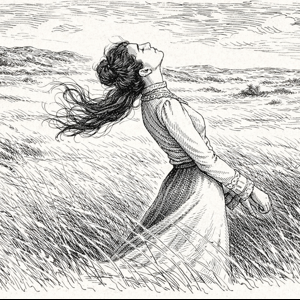
There is a specific kind of silence that arrives when you finally stop trying to outrun yourself. It isn’t the peaceful, curated silence of a meditation retreat or the heavy quiet of a house at night. It is more like the hum of a machine that has been unplugged but is still cooling down: a vibration that lives in the bones long after the movement has ceased. For a long time, the body is a thing we manage. We negotiate with it like a difficult contractor. We offer it caffeine in exchange for three more hours of focus; we promise it a vacation in six months if it just ignores the tightening in the jaw today. We treat urgency as a fuel, believing that if we push hard enough, the friction will eventually give way to momentum.
But eventually, the friction wins. You notice it first in the small things. The way a glass of water feels slightly heavier than it did yesterday. The way the thought of walking to the corner of you street feels like planning a logistical feat. There is no dramatic collapse, no sudden fever or snapping bone. Instead, there is simply a quiet, stubborn increase in resistance. When you try to move faster, the air seems to thicken. It is as if the body has decided, without consulting you, that the era of efficiency is over. You try to think your way out of it, you analyse the schedule, you look for the leak in the system, but the mind only catches up when the feet stop moving. Clarity does not come during the race; it waits for you at the side of the road, breathless and indifferent.
But there is a different tempo that emerges when you stop viewing rest as a strategy. We call it recharging, as if we are merely batteries waiting to be slotted back into a device. But there is a different tempo that emerges when you stop viewing rest as a strategy. It is a slower order of operations that requires no explanation and offers no apology. In this state, the body dictates the terms. It does not care about the deadline or the unread messages. It only cares about the immediate, physical reality of the chair, the floor, and the breath. In these moments, effort no longer produces results. You can strain against the stillness all you want, but it is like trying to push a fog. The harder you lean into it, the more it simply absorbs you.
There is a tendency to want to find a lesson in this. We want to call it healing or insight. We want to believe that by sitting still, we are uncovering some profound truth about the soul. But often, stillness is just stillness. It isn’t a breakthrough; it’s just the absence of strain. It is the neutral gear. There is no sudden surge of energy, no “aha” moment where everything becomes clear. Nothing improves dramatically. The walls stay the same colour. The To-Do list remains long. The only thing that changes is the argument.
At some point, the internal noise begins to fade. The voice that says you should be doing more starts to sound like a radio playing in a distant room. You can still hear it, but you no longer feel the need to turn it up or argue with the lyrics. Acceptance does not arrive with a fanfare or a sense of zen. It arrives when you realise you have stopped trying to convince your body to be something other than what it is in this exact second. You stop explaining why you are tired. You stop justifying the pace. You are simply there, in the chair or on the bed, no longer fighting the gravity that holds you. The pressure is gone, not because the world slowed down, but because you stopped pushing back against it. You are finally at the pace that remains when the urgency runs out.
0 Comments